

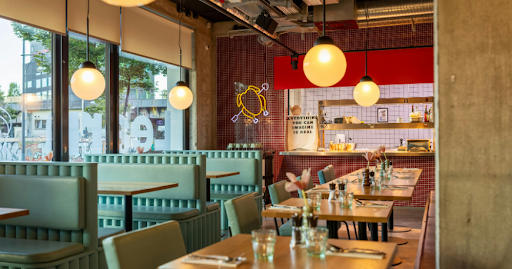
Selecting the perfect furniture for your restaurant is a strategic balancing act. It’s about finding the intersection of brand identity, guest comfort, and operational durability. Whether you are launching a new concept or refreshing a local staple, the right restaurant furniture choice acts as a silent partner in your business’s success.
Follow these key steps to ensure your seating and tables work as hard as your kitchen staff.
1. Align Aesthetics with Brand Identity
Your furniture is one of the strongest visual cues for your brand. Before browsing catalogues, define the “vibe” of your establishment.
- Fast-Casual/Café: Opt for lightweight, mobile furniture such as bistro chairs or minimalist stools to convey efficiency and a modern, airy feel.
- Fine Dining: Prioritize weight and texture. Heavy wood tables and upholstered armchairs signal luxury and encourage guests to settle in for multiple courses.
- Industrial/Bar: Incorporate raw materials like metal, reclaimed wood, and leather to create an energetic, rugged atmosphere.
2. Prioritize Ergonomics and Guest Comfort
Comfort is the primary driver of “dwell time”—how long a customer stays and how much they spend.
- Supportive Seating: A chair shouldn’t just look good; it must support the back and provide a stable base. Test the “pitch” of the seat to ensure guests aren’t leaning too far back or sliding forward.
- Strategic Heights: Maintain the industry standard of 12 inches of clearance between the chair seat and the table topfor optimal legroom and dining posture.
- Booths for Intimacy: High-back booths provide a sense of “perceived privacy,” which often makes them the most requested seats in a restaurant.
3. Invest in Commercial-Grade Durability
Residential furniture is not built for the “war zone” of a busy restaurant. Commercial-grade pieces are engineered to handle constant cleaning, heavy weight, and high turnover.
- Solid Joinery: Look for mortise-and-tenon construction in wood chairs and fully welded joints in metal frames. Avoid pieces held together by simple screws or glue, which will wobble within months.
- High-Performance Materials: Choose fabrics or vinyls with high “double-rub” counts (a measure of abrasion resistance) and antimicrobial coatings that stand up to industrial disinfectants.
4. Master Space Planning and Traffic Flow
Even the most beautiful chair is a failure if it blocks a server’s path. Your layout must balance seating capacity with a seamless “flow.”
- The 18-Inch Rule: Allow at least 18 inches of space between the back of a chair and the next obstacle to ensure guests can get in and out without disturbing others.
- Aisle Widths: Main service aisles should be at least 36 inches wide to prevent collisions between staff and patrons.
- Flexibility: Use a mix of two- and four-top tables that can be pushed together for large parties, ensuring you never have to turn away a large group due to rigid floor plans.
5. Simplify Daily Maintenance
If a material is difficult to clean, it will eventually look unprofessional. Your furniture should look as good at the end of a Friday night shift as it did at opening.
- Non-Porous Surfaces: Laminates, treated woods, and stainless steel are excellent for quick wipe-downs.
- Camouflage Wear: Darker wood finishes or patterned fabrics are better at hiding the inevitable “battle scars” of a busy dining room, such as minor scuffs or stains.
- Easy Floor Care: Ensure chairs have high-quality glides (nylon or felt) to prevent floor scratching and reduce the “screeching” noise during cleaning.
6. Consider the Bespoke Advantage
If your restaurant has an unusual architectural footprint or a highly specific theme, custom furniture can be the ideal solution.
- Maximize Every Inch: Custom-built banquettes can turn awkward corners into profitable seating.
- Unique Identity: Bespoke pieces serve as conversation starters and ensure your interior doesn’t look like a carbon copy of a franchise.
Conclusions
Furniture is more than just a place for a guest to sit; it is the physical manifestation of your hospitality. By focusing on brand alignment, commercial durability, and smart layout planning, you create an environment where guests feel welcome, and operations run smoothly.
Are you ready to bring your vision to life? Partnering with an industry leader like ForRestaurant allows you to access a curated selection of commercial-grade tables, chairs, and custom booths designed specifically for the rigours of the hospitality industry.